Pleurocentesis / Thoracentesis

Pleural effusion refers to the abnormal accumulation of fluid within the pleural cavity, which can interfere with lung expansion and function. Thoracentesis (or pleurocentesis) is a procedure used to remove excess fluid or air from the pleural space to alleviate symptoms and determine the underlying cause of the effusion.

Indications:

  • To identify the cause of pleural effusion.
  • To remove pleural fluid in cases of respiratory distress, improving breathing and reducing discomfort.
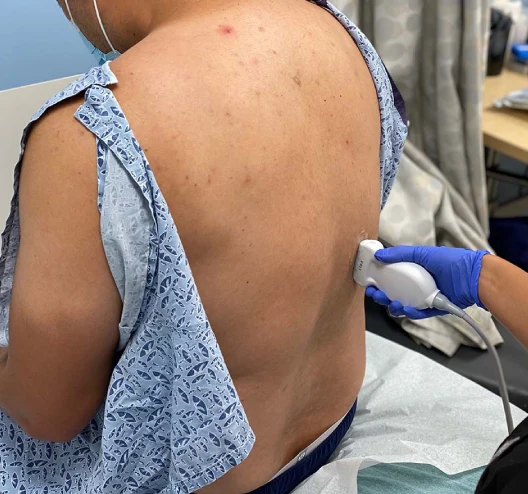
Precautions/Contraindications:

  • Thrombocytopenia: Platelet count below 50,000.
  • Coagulation Disorders: Prolonged prothrombin time (PT) or partial thromboplastin time (PTT) greater than 1.5 times the normal range, or if on anticoagulation therapy.
  • Severe Cough or Hiccups: Uncontrolled coughing or persistent hiccups can complicate the procedure.

Pre-Procedure Evaluation:

  • Symptoms: Small pleural effusions often present with no symptoms, while larger effusions can cause shortness of breath (dyspnea), pleuritic chest pain, and a dry cough.
  • Physical Assessment: General appearance, vital signs, fever, and oxygen saturation should be checked.
  • Diagnostics: Chest X-ray (PA and lateral views) helps detect the presence of pleural fluid, which typically blunts the costophrenic angles, indicating at least 300 ml of fluid. Additional tests may include a complete blood count (CBC), serum LDH, albumin, glucose, prothrombin time (PT), partial thromboplastin time (PTT), and other relevant blood work.

Patient Preparation:

  • The purpose, risks, and benefits of the procedure are explained, and consent is obtained.
  • There is no need to restrict food or fluids unless otherwise instructed.
  • Local anesthetic is administered to minimize discomfort during the procedure.

Post-Procedure Care:

  • Chest X-ray: A follow-up chest X-ray is done to check for fluid levels or any complications such as pneumothorax (air in the pleural space).
  • Lab Analysis: The fluid collected is sent to the lab for further analysis to identify the cause of the effusion (e.g., infection, malignancy, or other underlying conditions).
  • Follow-up: You should contact the doctor if you experience breathing difficulties or persistent coughing. A follow-up appointment will be scheduled once the results are available.